Pickleball vs Padel vs Tennis:
Why the Apparel Requirements are Different
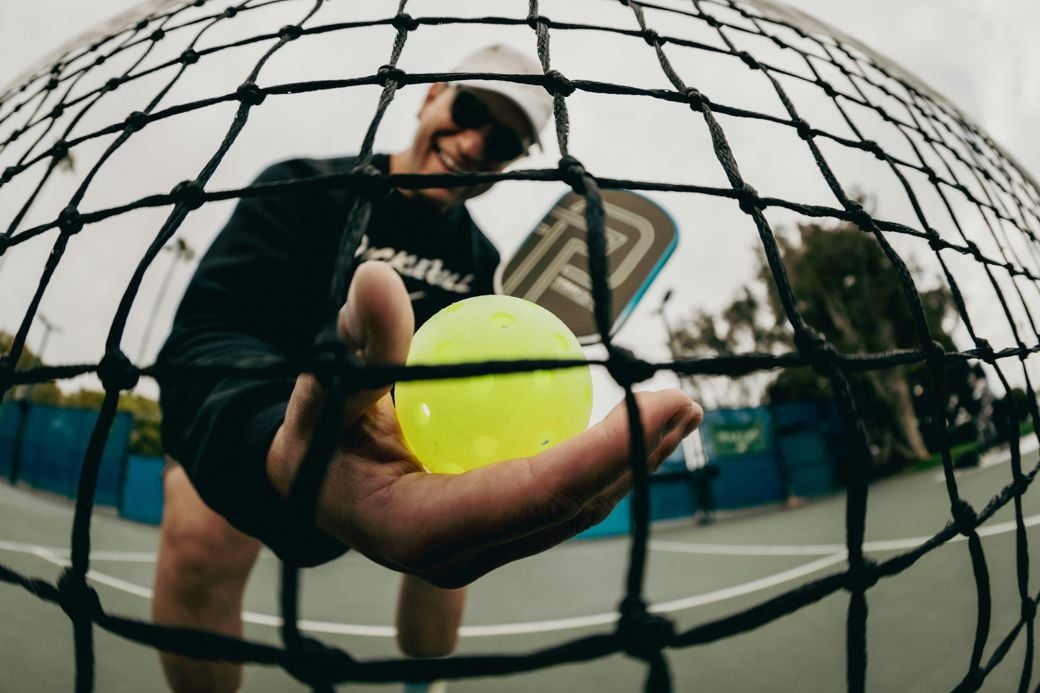
Tennis has been in the limelight for a long time, and fans have seen at least one Roger Federer vs. Novak Djokovic classic, or a Serena Williams victory on Centre Court. Even if it’s not your favorite sport, you know the gist of what’s happening on the court
But now, two other ‘tennis-like’ sports are taking a foothold everywhere: padel and pickleball. New courts are popping up everywhere. Your middle-aged friends keep posting their weekend warrior stints with a racket on Instagram. It looks like tennis, but not quite.
This guide aims to demystify and break down the major differences between the sports. They’re similar, but have very distinct qualities, which also translates to unique apparel requirements.
The Roots Still Matter
Let’s take a look at the history first, giving a bit of context to each sport, and explain why they feel like distant cousins.
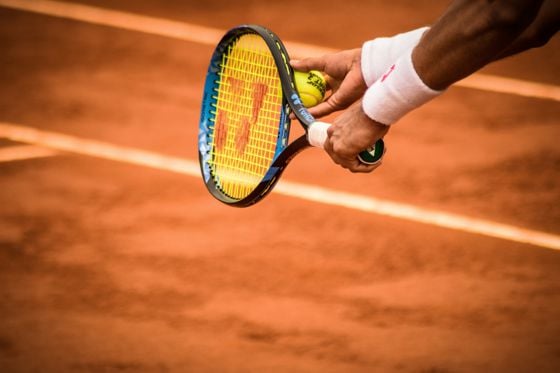
Tennis is the clear original, with the modern version of the game formally taking shape in the late 19th century. The first official tournament was held in 1877 at the All England Croquet and Lawn Tennis Club, setting the standards that are adhered to to this day. It’s played worldwide at both amateur and professional levels, with many youngsters starting during school summer camps. No matter the recent additions, it’s still seen as the racket sport.
Pickleball is the social media darling right now, but its inception actually goes back to the 1960s. It was created as a simple, family-friendly game by Americans Joel Pritchard, Bill Bell, and Barney McCallum. Combining various bits of sporting equipment that were lying around, they effectively gave birth to a hybrid version of tennis and badminton. Its slower pace made it more accessible, and the first official court was built in 1967. Today, the sport is growing at an unprecedented rate, with new courts popping up all over.
Padel has a similar ‘birth date’, having been invented by Enrique Corcuera in Las Brisas, Mexico, in 1969. As a tennis enthusiast, Corcuera, limited by the space on his property, created a smaller court measuring 20 × 10 metres, enclosed by 3-metre walls with a tennis net in the center. It didn’t take long for the game to become popular outside of Mexico, with Spain and Argentina embracing the new sport, along with some other countries in Europe. Come the 21st century, however, padel’s popularity had been cemented with its presence in over 150 countries worldwide.
As you can tell, all three games have a shared foundation, if you will. You have a racket and a ball, but there’s more than just that. They all rely on timing, movement, control, and, to some degree, quickness and reaction in tight spaces. The sporting requirements translate to similar apparel needs, but they’re not identical. The confusion has compounded in recent years, partially as a result of the very sudden surge in popularity of all three, but particularly for pickleball and padel.
Why Now, in 2026?
The uptick in popularity for racket sports didn’t happen by accident. They’ve been around for decades, but we’re seeing a noticeable upsurge in recent years. There are a couple of key reasons that combine to create what is undoubtedly a meteoric rise.
First, it’s the recent collective focus on both mental health and physical activity, and how the two are interlinked. Moving is a positive, no matter your age, and both pickleball and padel present an accessible way to tick that box. They’re low-impact sports, and are generally easy to pick up. It doesn’t take much to get the feeling that you ‘get’ how it all works, even if you’re a beginner.
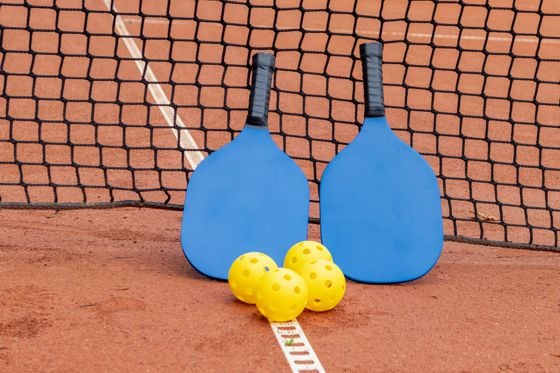
However, you don’t have to be a beginner to find the sport challenging, as we’ve recently observed former tennis professionals, including legends like Andre Agassi, competing in high-profile pickleball events. For some, it’s become a second competitive chapter rather than just a recreational pastime in retirement.
Pickleball’s popular across all age brackets, and crucially with Gen X plus demographics. In the United States, 52% of core players register as 55+. And a third are over 65, highlighting just how accessible the game is.
Social media is also partially responsible. You’ve probably seen friends posting in anything from their day-to-day exercise tees to full-blown professional-level kits. But if you want to perform on the court and be comfortable while doing it, each sport has slightly different requirements.
Apparel Requirements: Movement, Fabric, Functionality, and Durability
Tennis: Physical Powerhouse
Tennis is physically demanding. Longer matches and bigger courts. You’ll be running a whole lot more, that’s for sure. Your jersey will need to be lightweight and breathable, as you will be sweating through the entire match. For the shorts, focus on stretch that allows wide lateral steps, with durable materials that can handle extreme moves like sliding.
Each sport has different appeal requirements, based on the physical aspect of the game. Let’s get into it.
Pickleball: Comfort at No. 1
Pickleball is probably the most accessible sport, and it’s a little less intense, especially at the beginner level. When you start, a basic high-quality jersey can work, but you will probably want to upgrade as you move up the ranks. You can also invest in lightweight materials that are a little more fragile than tennis, as durability isn’t pushed to the same limits.
Padel: In the Middle, but with Quirks
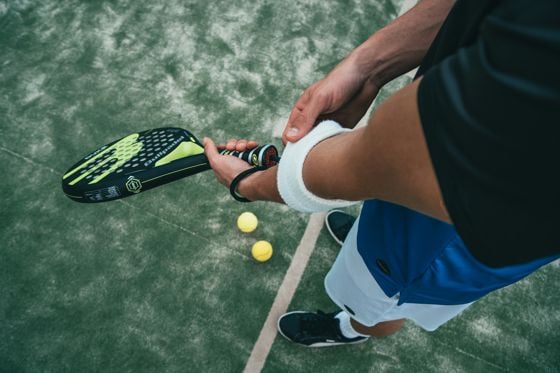
Padel asks something with a nuanced difference. You don’t have the endurance demands of tennis, but flexibility tends to be more important compared to pickleball. Once you get out of that newbie stage, players will be making quick turns and adjusting position in tight spaces.
Style vs. Performance
Let’s face it, style is a huge part of sport. Whether you think a bold, custom-designed jersey gives you a psychological edge over your opponent or a frenzy of likes on social media, players like apparel that combines functionality and aesthetics.
Tennis tends to be the most traditional of the three sports. Designs are clean, often with a no-fuss performance-driven aesthetic. It’s still influenced by professional standards. The most famous example of this is the white-only dress code at Wimbledon.
For pickleball, it’s far more relaxed. And it makes sense, as it caters to the widest demographic. Casual styles blend into everyday wear, and when players do decide to rock a pickleball-specific outfit, comfort, performance, and individual style dominate.
Padel is fast-growing and has a strong fashion-forward appeal to its youngest aficionados. 20-somethings tend to opt for bright colors, and players often go for the latest tech in performance jerseys.
The (Often Overlooked!) Role of Footwear
You can’t go out on the court wearing any old sneakers. Even running shoes with plenty of miles on them won’t be fit for purpose, especially if you decide to stick with one of these for the long haul.
Tennis requires shoes that focus on durability, but also provide lateral support. Depending on the surface, you’ll need a certain type of shoe, too. Clay is entirely different from grass, for example.
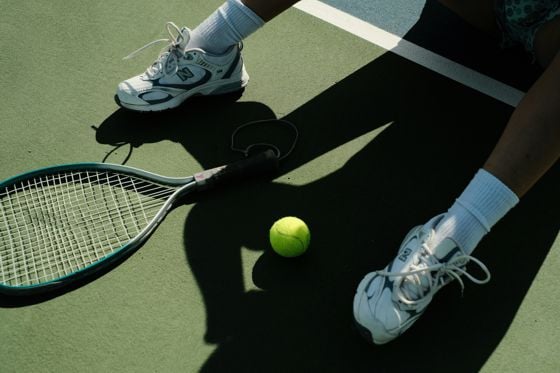
For pickleball, the needs are similar to tennis, but support shouldn’t be as high on the priority list (although by no means ignored). You want to have a great grip, as the game relies on moving from one end to the other. On the shoe’s side, look for lightweight.
And finally, padel. The feature you’re looking for here is traction, with quick directional changes significantly affecting your play. It’s a dynamic game that is often faster than pickleball, but of course, that depends on the players.
It’s Not Just the Game That’s Different
Tennis, padel, and pickleball can look similar to the uninitiated, especially the former, younger upstarts. Even the apparel looks roughly the same when you observe the average amateur court. But once you play, you’ll notice the differences. Why your old tennis shoes won’t cut it when playing pickleball. Or why you may need slightly larger pockets when playing padel.
No matter which sport you choose to play, prioritize comfort and long-term health. Your jersey from your college days may be fine for an occasional session, but not for weekly play. It may also be worth spending just that little bit more on the right shoes to ensure comfort and help prevent injury.
Now, get out there and enjoy playing and getting some much-needed social time. And don’t forget to post about your progress on social media when you do!
Image credits Title image: Unsplash / Venti Views; Image 2: Unsplash / Gonzalo Facello; Image 3: Unsplash / Alex Saks; Image 4: Unsplash / Oliver Sjöström; Image 5: Unsplash / Dillon Wanner