Trading Logos for Flags:
How FIBA Tournaments Transform NBA Superstars into National Heroes
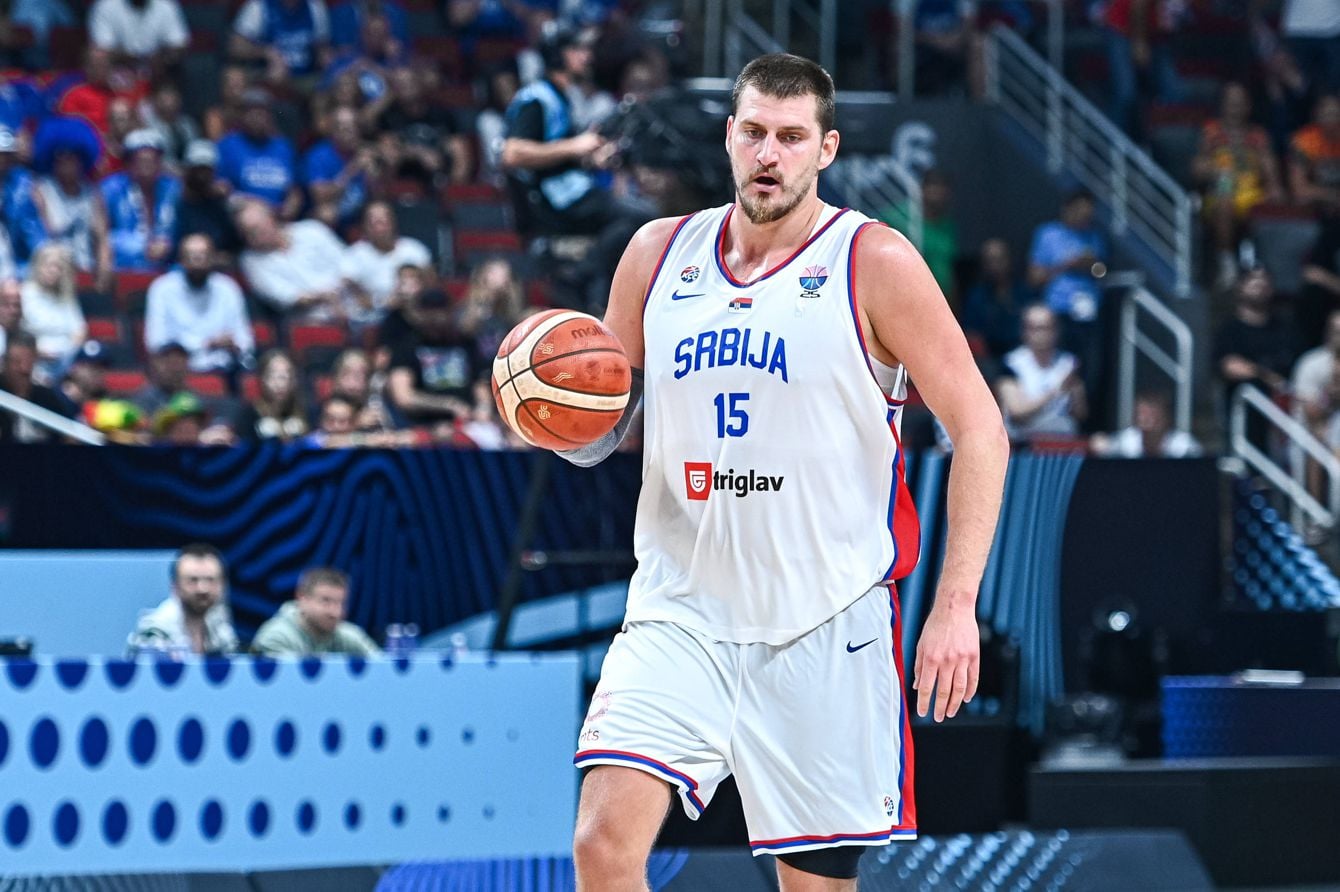
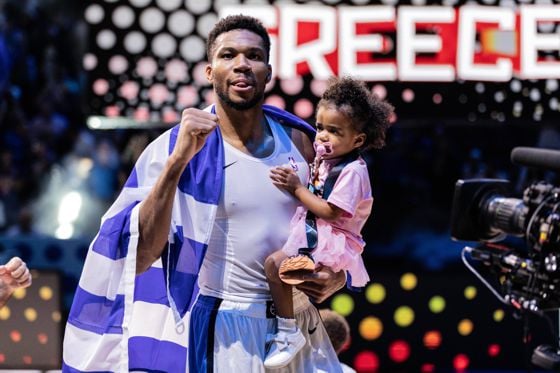
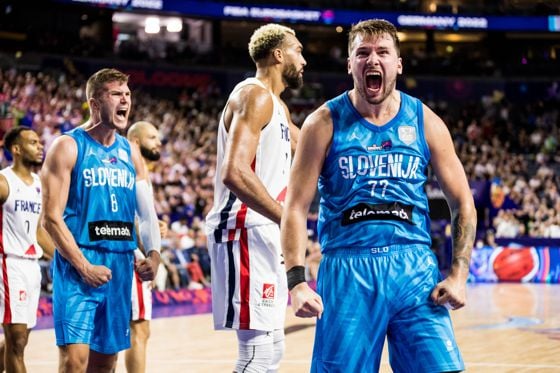
When NBA stars swap their franchise jerseys for national team colors, the change is more than cosmetic, something different than simply jumping from one team to another. There’s a reason why Luka Dončić never misses a summer with Slovenia, even if it affects his NBA season. Or why Giannis continues to make the trek back to Athens to play for his national team.
EuroBasket and other FIBA tournaments transform NBA superstars completely, turning them from representatives of sneakers and Gatorade to bona fide national heroes. A basketball jersey isn’t just a piece of fabric, a simple advertising platform for Nike or Reebok, but a symbol of belonging and heritage.
The Superstars + Underdogs = One Team
When Luka suits up for the Lakers, he’s surrounded by big-name players, both past and present. He shares the court with LeBron James, King James, arguably the best player to lace up a pair of sneakers (arguably, Jordan fans!). He continues the legacy of titans like Magic Johnson and Kobe Bryant. And even the so-called ‘role players’ are still stars on multi-million dollar deals, like Austin Reeves and DeAndre Ayton.
But when he puts on that Slovenian uniform, the picture changes. He’s joined by teammates who don’t have the same global spotlight — most play in Europe’s domestic leagues, earning a fraction of NBA salaries. Yet what they may lack in fame or fortune, they make up for in chemistry, effort, and pride. For Luka, it’s not about the paycheck or the glitz; it’s about representing his country and elevating everyone around him.
The national team jersey, often a more basic custom shirt design compared to NBA equivalents, works akin to a great equalizer, where superstars and underdogs join for a single goal, one without cash incentives as the pure driving force, where camaraderie is built through a shared experience and the collective desire to win.
Tied by National Purpose and Identity
Sure, some NBA teams are very much part of their geographical location, an extension of the community. We’re not trying to disparage or downgrade the meaning of a franchise.
Yet ultimately, the national team shirt represents an entire country, a collective that doesn’t change (yes, even if borders do). It’s something immutable. Giannis will always pay for Greece, even if it ends up getting traded from Milwaukee.
Let’s put it another way. When the Oilers (now Titans) left Houston, fans eventually began to support the Texans. Charlotte’s faithful don’t cheer for the Pelicans, the original franchise. No, they don the newly designed basketball shirt of the reborn Hornets.
With FIBA tournaments, like the Olympics or EuroBasket, you’re not playing for a business. There’s a purity to becoming part of the Dream Team, putting aside NBA rivalries for the red, white, and blue. Magic and Bird were long-time enemies when playing for the Lakers and Celtics, but when donning Team USA colors, they were brothers.
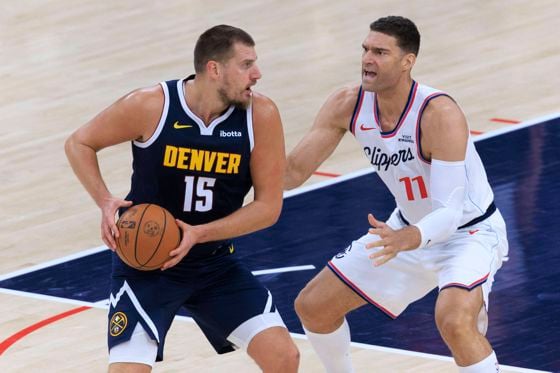
In Denver, Colorado, three-time MVP Nikola Jokic plays in the altitude of the "Mile High City" and is recognized as one of the best players in the NBA. But in truth, he’d almost certainly rather be in Serbia. When he plays for his country, he’s at home on the court, back with his roots, his own language, playing not for a chip, but for national glory.
When a basketball player plays for their national team, it’s about more than money. Everyone knows that you’re there because you want to be there, not for a contract or a potential payout.
Hollywood-Worthy Narratives
We all love a good sports flick, that (reinvented) story that inspires hope and dreams, yes, all that cheesy stuff. More have cried at The Natural (1984) than will admit it, and lots of kids had aspirations of becoming Rookie of the Year (1993) or one of The Mighty Ducks (1992).
But it’s the real narratives that are even more impressive, often just as unlikely, and they actually happened. Look at the Czechs, 2019 vintage, a team without even a single NBA superstar. They didn’t win, but captured the imagination at the FIBA World Cup. Led by Tomáš Satoranský, the team reached the quarterfinals for the first time with a very much unfancied squad.
Or the Gasol era with Spain, where Pau and Marc turned their country into a powerhouse. They won EuroBasket thrice in 2009, 2011, and 2015, and even turned their team into a real threat to the American NBA stars. Perhaps more importantly, they entertained and gave hope to a country in the midst of an economic recession.
And of course, there’s also Team USA’s “Redeem Team” of 2008, which even got made into a documentary. They erased the painful memory of Athens 2004, with legends like Bryant, Wade, and James putting aside their egos for a collective goal. They inspired through their willingness to become role players, taking the backseat for once for the sake of the flag. The result? Gold.
A Legacy of Jerseys that Tell Stories
We’re inspired by what happens on the court, an incredible play or an underdog story, but they’re cemented by the mementos that symbolize their stories.
Nothing comes close to the significance of jerseys and the designs that are embedded in the fabric of basketball history. The purple and gold of the Lakers, that unmistakable Boston green.
On the international stage, the kits are just as iconic as the most legendary NBA jerseys jerseys. Just think of that famous 1992 Dream Team, still unrivalled in mystique and fame.
That ultra-90s design is now returned to fashion, a kit that signified America’s then-dominance over the sport, an unforgettable tour de force of the NBA’s best players. Jordan, Magic, Bird, Barkley, Pippen, Drexler, the names just roll off the tongue.
You also have Yugoslavia’s old uniform, before the country broke up. The blue and red resonate decades later, a melancholic harking back to players like Dražen Petrović, Vlade Divac, Toni Kukoč, and Dino Rađa, for one last time under a single flag.
Today, Slovenia’s gradient-blue Olympic jersey blends tradition with contemporary aesthetics. It’s the perfect jersey for Luka Dončić, a player who possesses timeless skills, but is also changing the game with his unique style.
For the Emotion, Not the Money
Professional contracts bring fame, big money, and sponsorship deals. But playing for your country, now that triggers emotions that you can’t put a dollar value on.
It’s why we will continue to see players like Nikola Jokic and Alperen Şengün joining their respective international teams, even if it means taking a long-haul flight. Or saying goodbye to their summer break in exchange for a grueling international tournament.
NBA superstars are often maligned for their big contracts with major franchises like the Knicks or Celtics. But ultimately, they are there for the love of the game, to become heroes on the court, for their countries and communities, national heroes.
Image credits Title image: IMAGO / ZUMA Press Wire; Image 2: IMAGO / ZUMA Press Wire; Image 3: IMAGO / Beautiful Sports; Image 4: IMAGO / ZUMA Press Wire