More Than a Uniform:
How Custom Kits Forge Identity and Unity in Para-Cycling
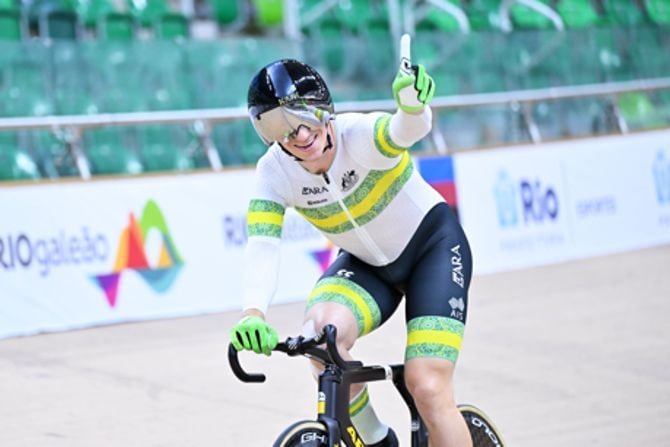
Para-cycling covers a lot more than people would think. You can see riders on handcycles, trikes, tandems, and standard bikes, all racing in ways that fit their bodies and balance. It’s a busy sport, but in the best way. And even though everyone competes differently, one thing they all have is the kit.
It’s easy to shrug it off as “just clothing,” but it actually matters more than most people assume, because the right uniform helps riders feel ready, and it gives the team something shared to hold onto.
Para-Cycling Brings Everyone In
Before getting into the kit talk, we must first talk about how widespread the sport actually is.
Para-cycling has been around since the 1980s, with tandem events for visually impaired athletes debuting at the 1984 Paralympic Games. It has since expanded to include UCI-classified categories for riders based on functional abilities. Now there are classifications for riders with cerebral palsy, limb differences, balance limitations, and combinations of all of the above. Some riders pedal with their legs, others use arm-powered crank systems (handcycles) for propulsion. Some need three wheels, some two, some a pilot in front. These people represent more than this sport; they represent human courage and the ability to adapt by all means.
It’s also one of the few sports where equipment truly does shape the way the race plays out. For example, handcycles fly on flat sections due to their aerodynamics but typically lose speed on steeper climbs. Trikes handle technical turns differently, and tandem riders have to trust each other at all times. All that is what makes the sport so watchable.
And because every bike behaves differently, riders rely on any piece of sameness they can get - including the kit they compete in.
Why a Kit Isn’t “Just a Kit” Here
For example, on a tandem, the two riders don’t just sit close - they act as a single unit. The visually impaired rider (on the back) relies on the pilot (in the front) for everything: pacing, leaning, handling corners, controlling braking and setting pedalling cadence, reading the road, reacting to attacks, and knowing when it’s safe to surge.
Wearing the same colors of a jersey is symbolic, yes, but it also reinforces trust. When you can’t see the road, you pick up every cue you can from the person steering - their voice, their breathing, their body tension, and, yes, even their kit. Being dressed the same reminds you both that you’re meant to move together. It sounds small until you’re in a race at 50 km/h, depending on someone else to read the world for you.
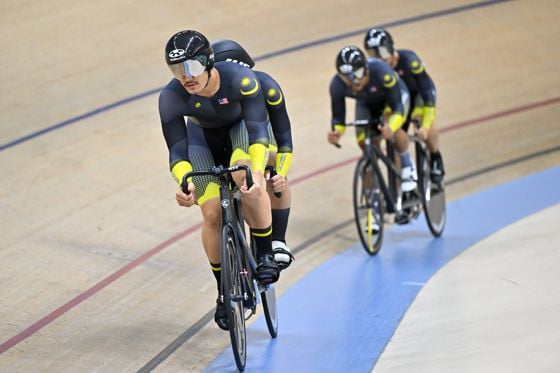
On the other hand, matched kits also matter for communication. Officials, teammates, and staff instantly recognize who belongs together on the track or road. In bunch starts or crowded warm-up zones, that saves confusion and prevents dangerous mix-ups.
So when both riders pull on the same colors, it’s not just for looking tidy for the photos, but riding as one piece of machinery, trusting each other completely, and letting other people on the course instantly see that connection.
The Right Kit Helps Riders Focus on What Actually Matters
Para-cyclists deal with details most people never think about:
- prosthetics rubbing
- pressure sores from sitting positions
- straps needing to stay perfectly aligned
- handling a bike with one leg
- keeping a trike balanced over uneven roads
If the kit fits right, you remove one stress from the stack. You move better, you think clearly, and you can get into a rhythm instead of your fighting fabric. It’s actually quite practical, instead of just poetic.
And for younger para-athletes especially, a kit that feels purposeful makes a huge difference, since it’s not the usual “adapted clothing.” It’s just a team kit - same standard, same style, same pride and following the same UCI kit regulations as mainstream cycling gear , with small adjustments allowed for medical or prosthetic needs.
Custom Designs Strengthen Belonging
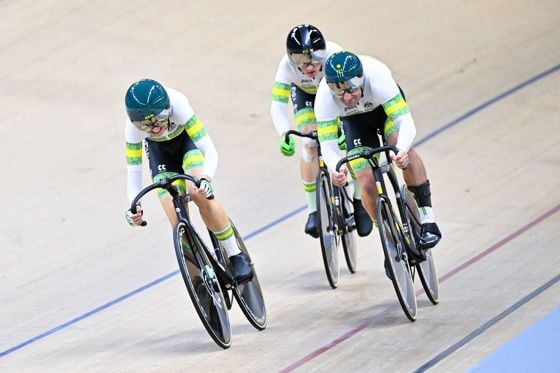
In all sports, teams often customize their kits with small details - country flags, little internal jokes, colors that match a rider’s region or club. These things sound tiny, but they’re the ones that stick with them.
When you race long enough, the kit ends up tied to a lot of memories. Good ones, bad ones, long travel days, people you met along the way - all of it blends with those colors over time. At some point, it surely stops feeling like just kit and becomes part of the routine, almost like a piece of gear you’d never leave at home.
The Emotional Side Isn’t Fluff - It Actually Helps Performance
It's no secret that athletes who feel part of a team usually communicate better. They trust each other sooner, and they share small race details that end up mattering later. And para-cyclists especially rely on quick signals - taps, micro-adjustments, short commands - and, naturally, these work better when the riders feel bonded.
And their uniforms are a big part of what helps build that bond. It doesn’t win races by itself, but it supports everything else that does win races.
What It All Comes Back To
Para-cycling asks a lot of its athletes. Different bikes, different bodies, different challenges every season. Of course, a good kit won’t solve any of that, but it does give riders something steady to hold onto.
Teams and the audience notice it, too. When everyone lines up in the same colors, it feels like they’re carrying each other into the race. It may be a small thing on paper, but it’s something riders carry with them long after the race is over.
Image credits Title image: IMAGO / SW Pix; Image 2: IMAGO / SW Pix; Image 3: IMAGO / SW Pix